




The World's First Daily Walking Shoes
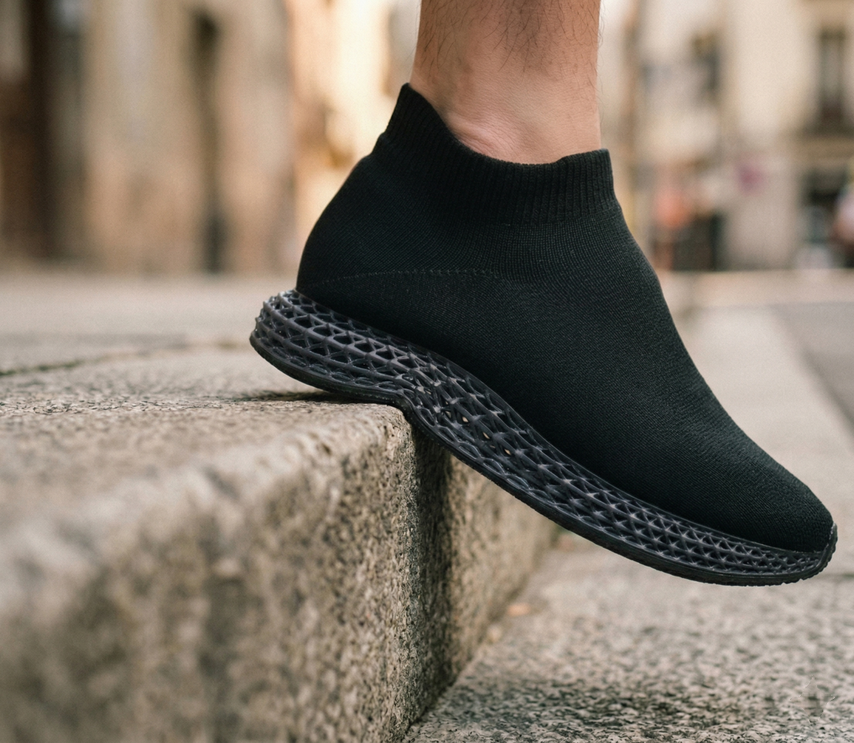
Walk longer without the aftermath with Triya Atlas - the first shoe built for the hard ground and long days that wear your feet down. A 3D printed lattice absorbs impact, a soft knit upper frees your toes, and the whole shoe keeps you grounded with every step.
Walking Shouldn't Hurt.
Common shoes are quietly making your feet, knees, and back work harder than they should.
That Stabbing Heel Pain
It often shows up when shoes don't support the bottom of your foot the way they should.
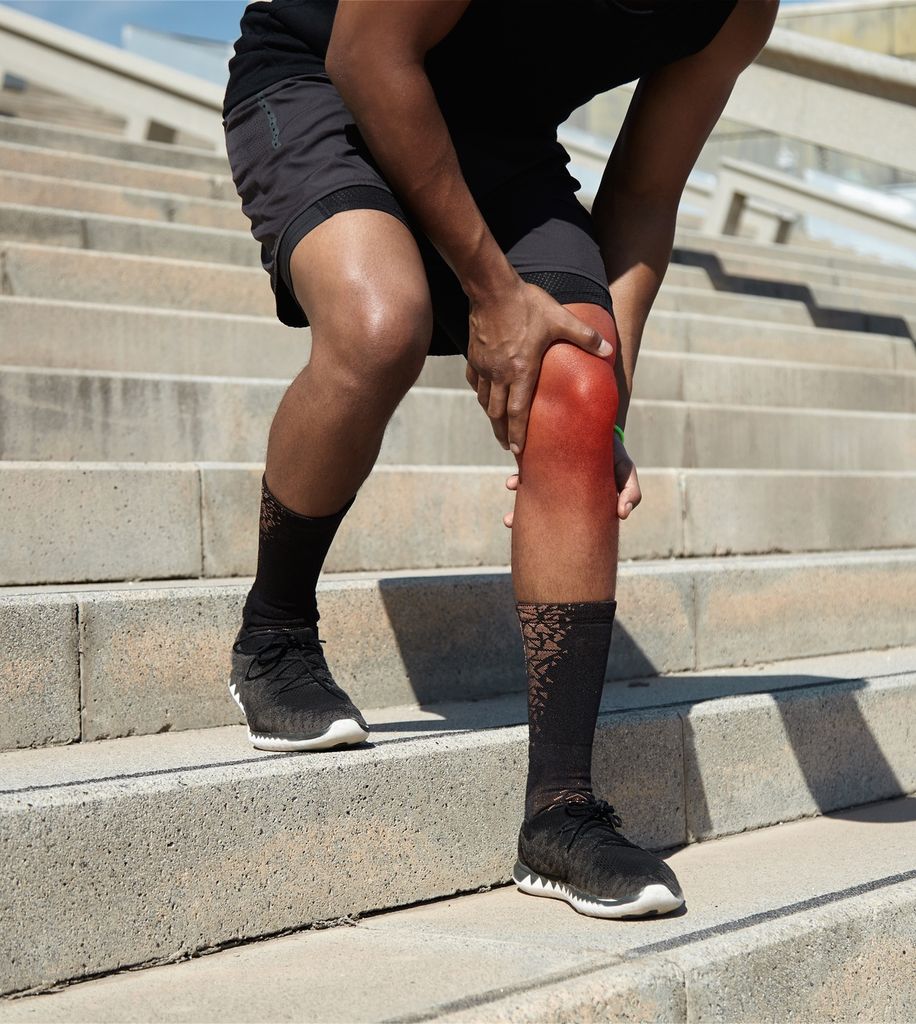
Aching Knees
A shoe that doesn't soften impact tends to pass that force straight up to your knees.
Lower Back That Won't Quit
Your big toe is supposed to be your main stabilizer, and it can't really do that job with a narrow toe box.

Hip and Joint Pressure
A stiff sole or wrong drop tends to load extra force into your hips and knee joints with every step.
Which Pair is On Your Feet Right Now?
Every shoe was designed to solve some problem. Walking, somehow, wasn't one of them. Brace yourself, you probably own at least two.
Running Shoes
Built for the heavy impact of a running stride. The foam barely compresses at walking pace, so your ankles end up doing the work all day.
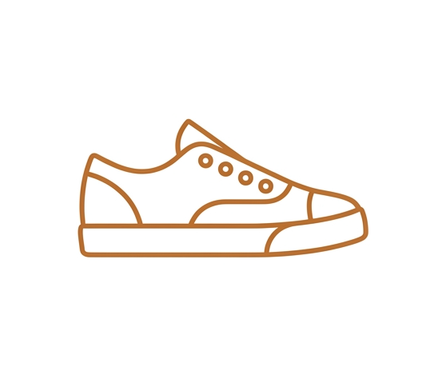
Regular Sneakers
Built to look good. Every bit of sidewalk rolls right through that flat rubber slab, straight into your heels and knees.
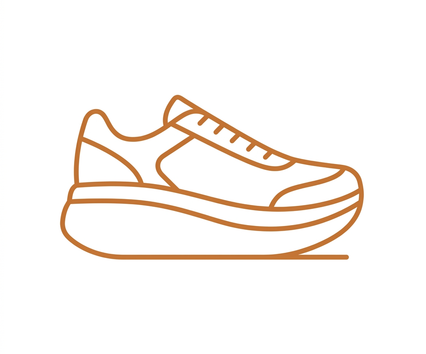
Maximum-Cushion Shoes
Built to feel soft. The tall foam tower lifts you off the ground and creates a wobble your ankles spend the day fighting, which can leave you sore, unsteady, and at higher risk of a misstep.
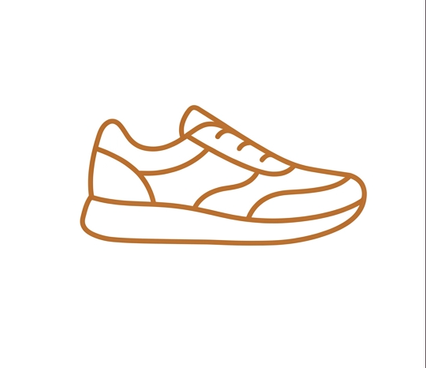
Standard "Walking Shoes"
Built with a foam that compresses fast. The cushioning gives out within months, your heels start stabbing again, and you're back to where you started.
Your Feet Weren't Built For Concrete.
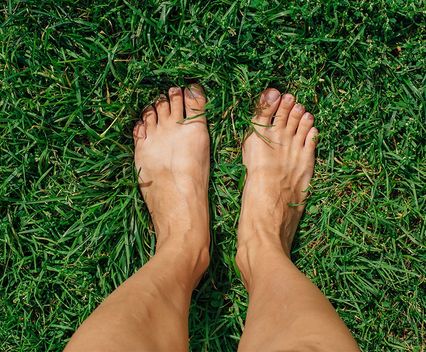
Your feet evolved over two million years to walk on dirt, grass, moss, and sand. Surfaces that absorb the step and send almost nothing back.
Concrete sends all of it back. Every step is a small shockwave traveling up your foot, ankle, knee, hip, and spine. Your body has been absorbing that, silently, for years. And the longer it goes on, the more it tends to add up.
The shoe industry's answer? More foam. Tall heels. Squeezed toes. Somebody had to actually do something about it. So we did.
Meet Triya Atlas.
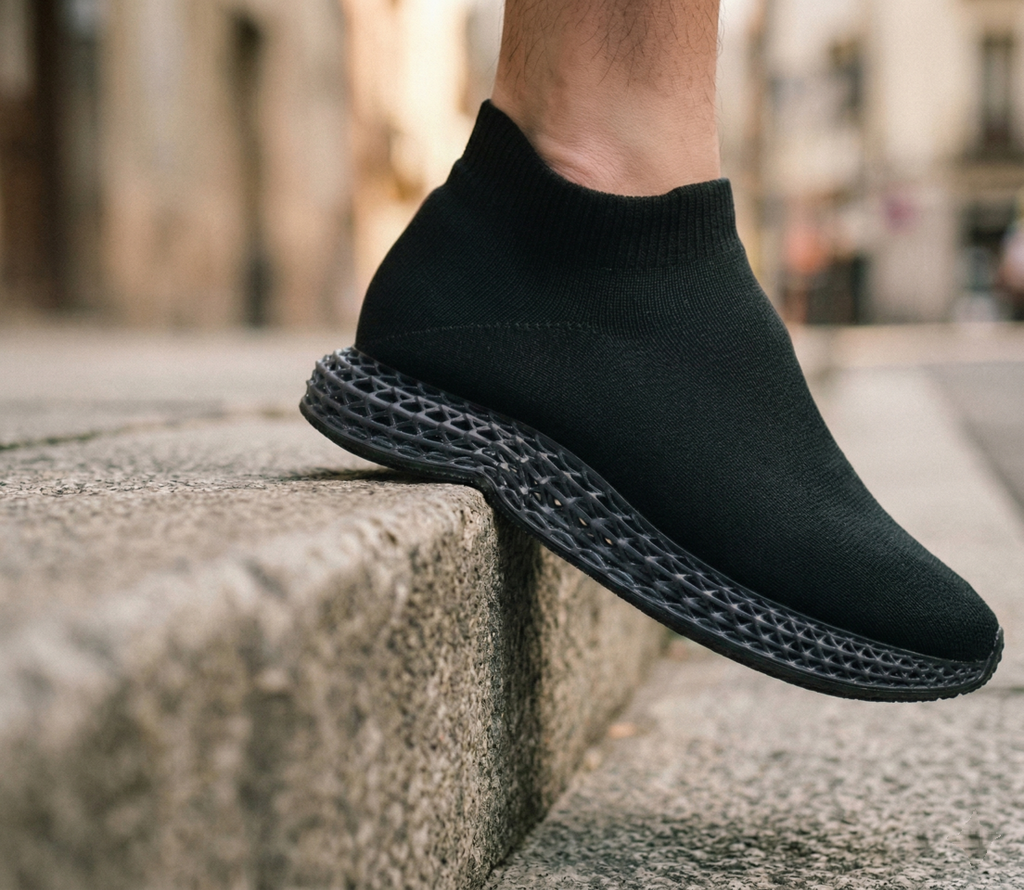
Not a running shoe in disguise. Not a hiking boot that lost weight. Atlas was designed around the one thing your feet do most: walking.
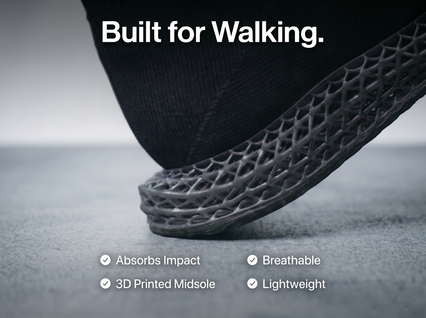
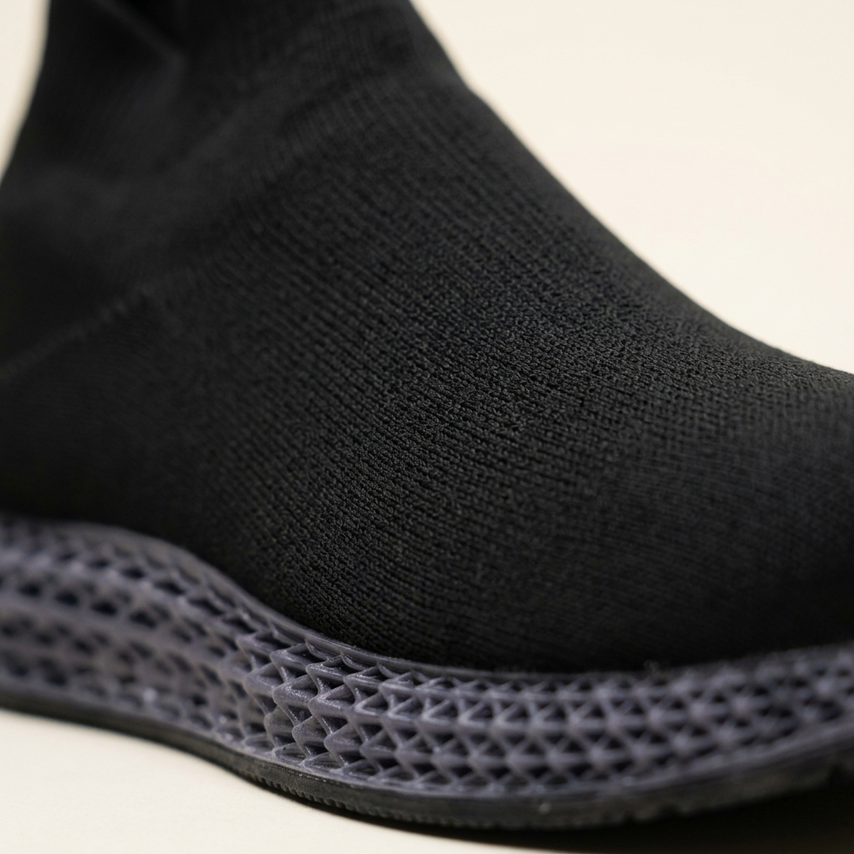
A 3D printed lattice midsole softens what concrete throws back at you. A sock-like upper moves with your feet instead of squeezing them. The whole thing is built light and stable, and made to hold its shape long after most shoes start breaking down.
40% Off. For the People Who Showed Up Early.
Reserve your spot on the next page and lock in the lowest price the Triya Atlas will ever be.
A Midsole That takes the Hit, So Your Body Doesn't
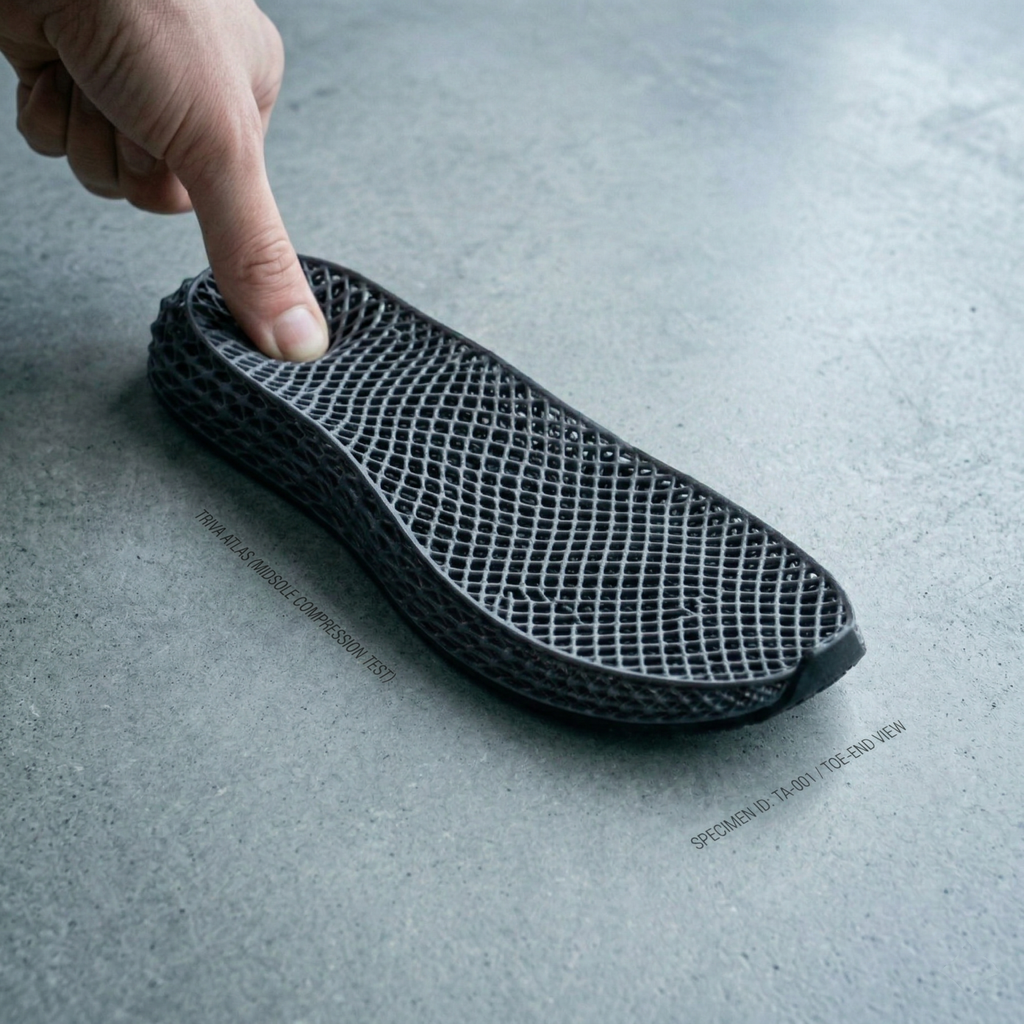
Atlas uses an advanced 3D printed lattice. It absorbs impact at every step, stays stable underfoot, and it lets you actually feel the ground you're walking on.
Why a Lattice Instead of Foam?
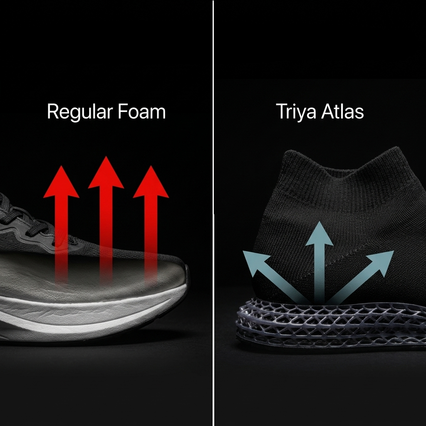
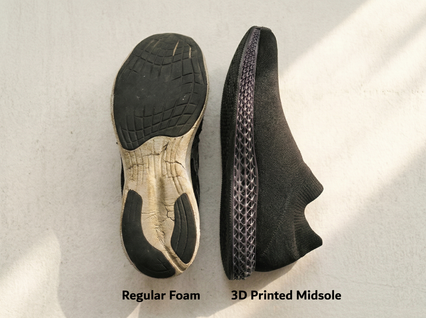
Foam looks soft, but it's a slab. It compresses unevenly under your foot, so your ankles spend the day quietly fighting to keep you balanced. That low-grade instability tends to load up your joints and show up later as a nagging ache.
The lattice works differently. Each tiny pillar absorbs and softens the impact, instead of letting that shock travel up your body. The shockwave that ends up in your knees, hips, and lower back? Most of it never makes it past the sole.
Fits The Rest Of Your Life.
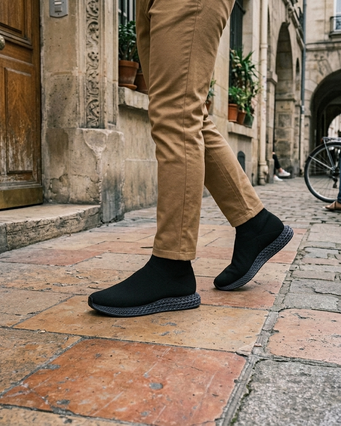
Built for the way you walk. Quiet enough to wear with the rest of your wardrobe.

Morning Walk
Built for the kind of walking you do every day.

Saturday Coffee
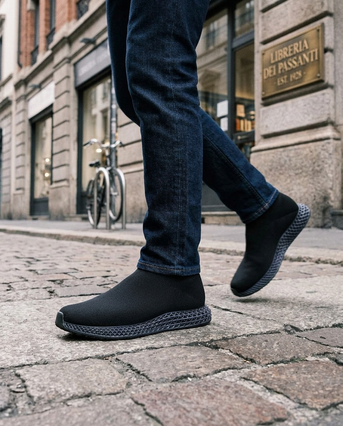
Goes with jeans, a sweater, and the rest of your weekend.

Airport Day
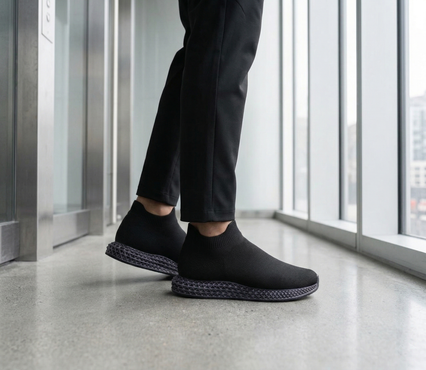
The one shoe that handles long flights, longer terminals, and everything between gates.

Dinner Out
Quiet enough to wear with anything, comfortable enough to walk to the restaurant.
Less Wobble, More Grounded.
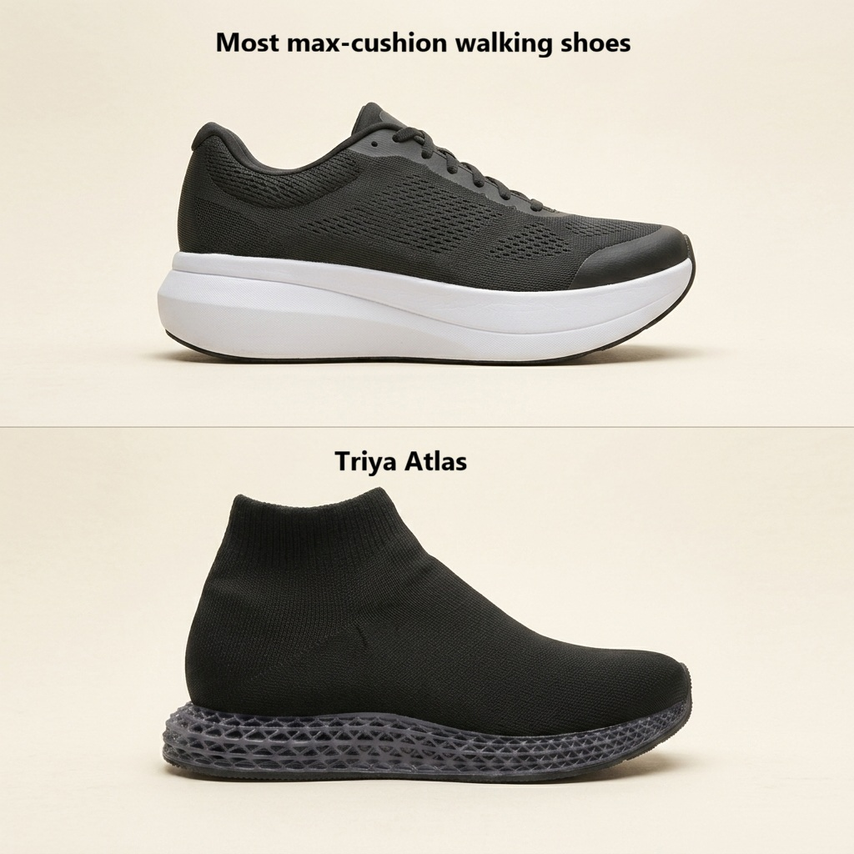
Those popular high-cushion walking shoes feel soft because they're sitting on a tall pile of foam. The foam moves around under you with every step. Over hours of walking, your ankles work harder, your stride feels less sure, and you end up unsteady in shoes that were supposed to keep you comfortable.
Atlas was built to spread the pressure evenly across the lattice, close to the ground. Steady. Less wobble, less compensating, more of that grounded feeling you might have been missing.
A Shoe That Doesn't Fight Your Feet.
Most shoes squeeze your toes into a narrower space than your actual foot needs. After a few hours, your toes go numb, your forefoot aches, and your big toe (your main stabilizer) gives up trying to do its job.
Atlas holds your foot with a fabric that's soft and flexible. Your toes stay free to move, spread, and grip the way they were built to.
Ready to walk longer?
Reserve your spot and lock in 40% off when Triya Atlas launches. Your private link will be waiting in your inbox.
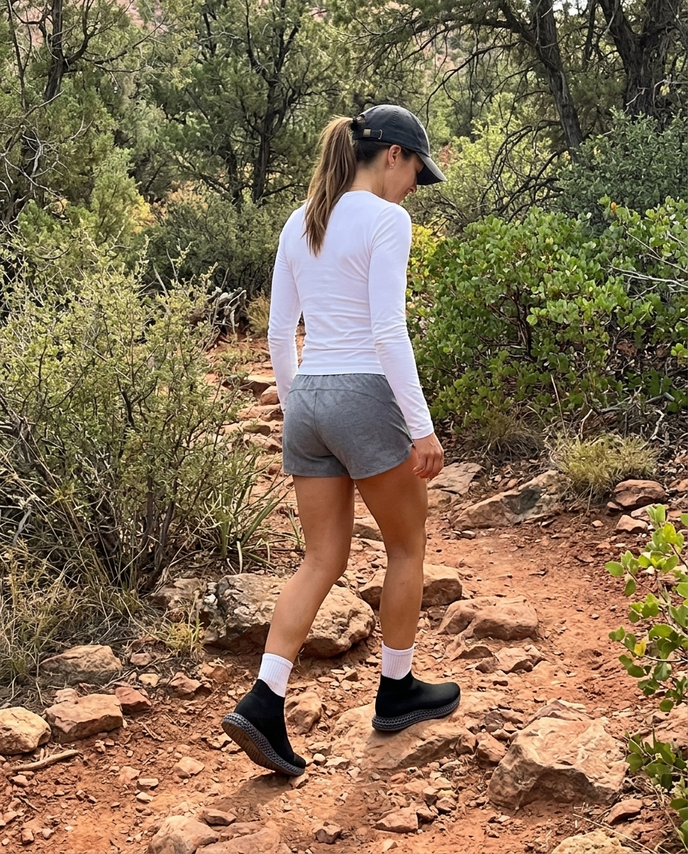
Atlas, For Women.
Same engineering. Same comfort. Made for everywhere she walks, from morning errands to evening out.

A Walk to Clear Your Head

The Walk You Look Forward to
Steady Enough for the Trail
The Other Things We Got Right.
Atlas was built to solve the way you walk. Here's the rest of what it does well.
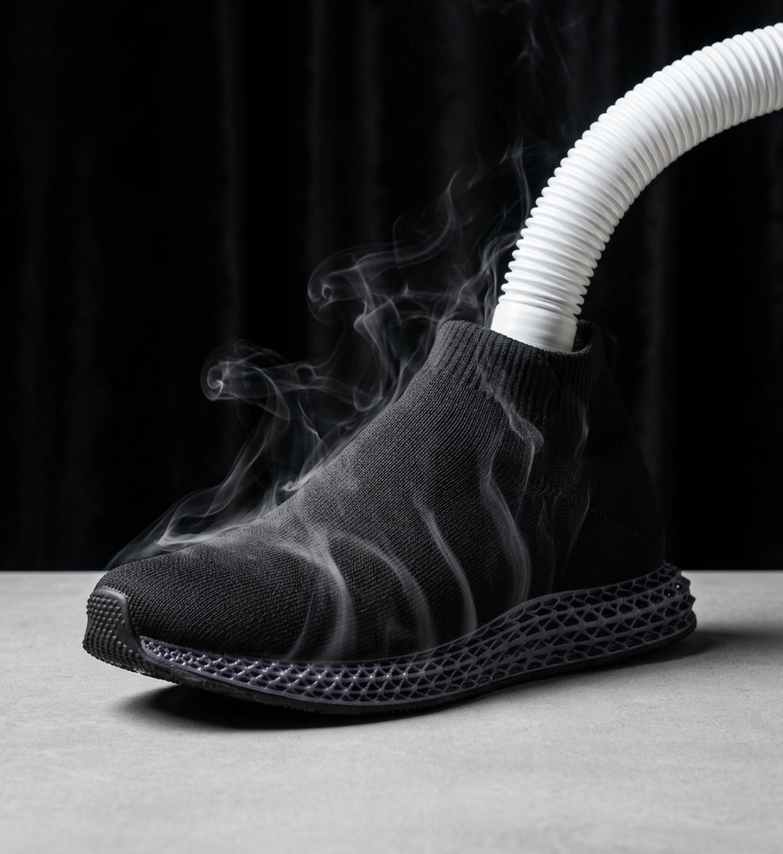
Breathable Midsole and Sock-Knit Design
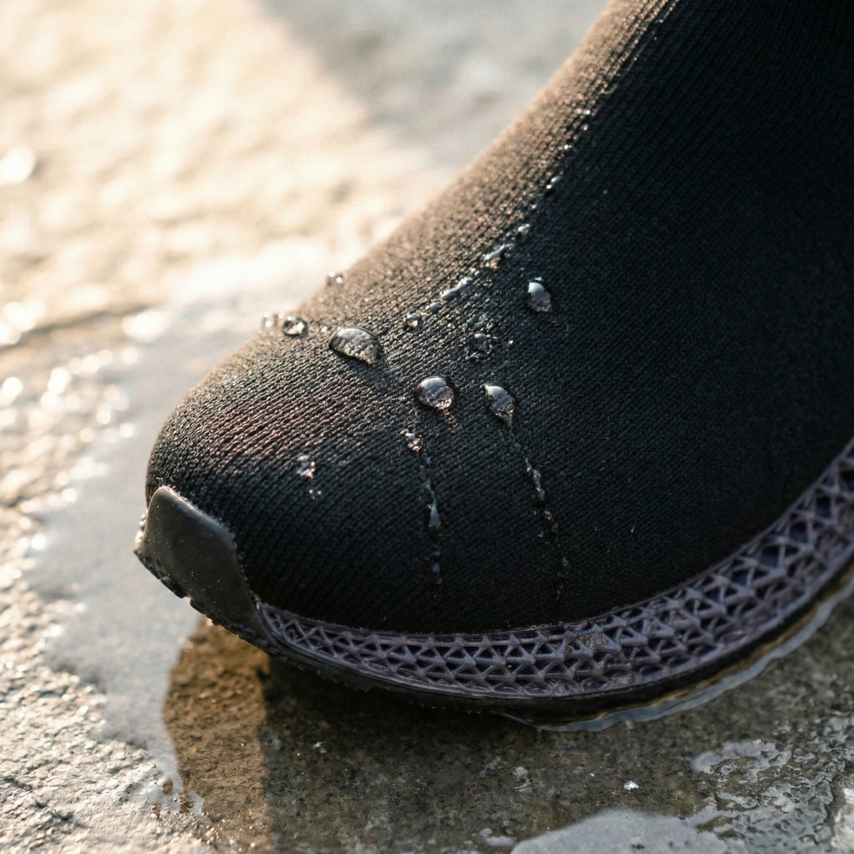
Wet Weather, Dry Feet.
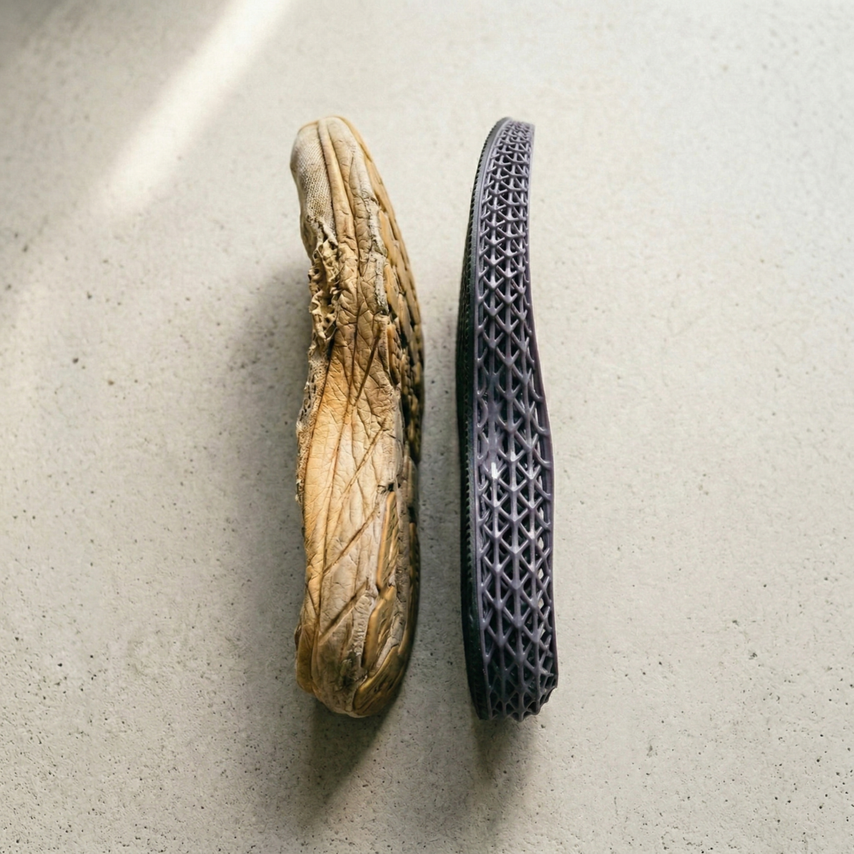
Holds Up Where Most Give Up.
Doesn't Break Down Like Regular Shoes.
Most walking shoes have a honeymoon period. They feel great for the first month or two, then the foam compresses, the support softens, and the comfort you bought disappears without you noticing. That's not a defect. That's how the shoe was built.
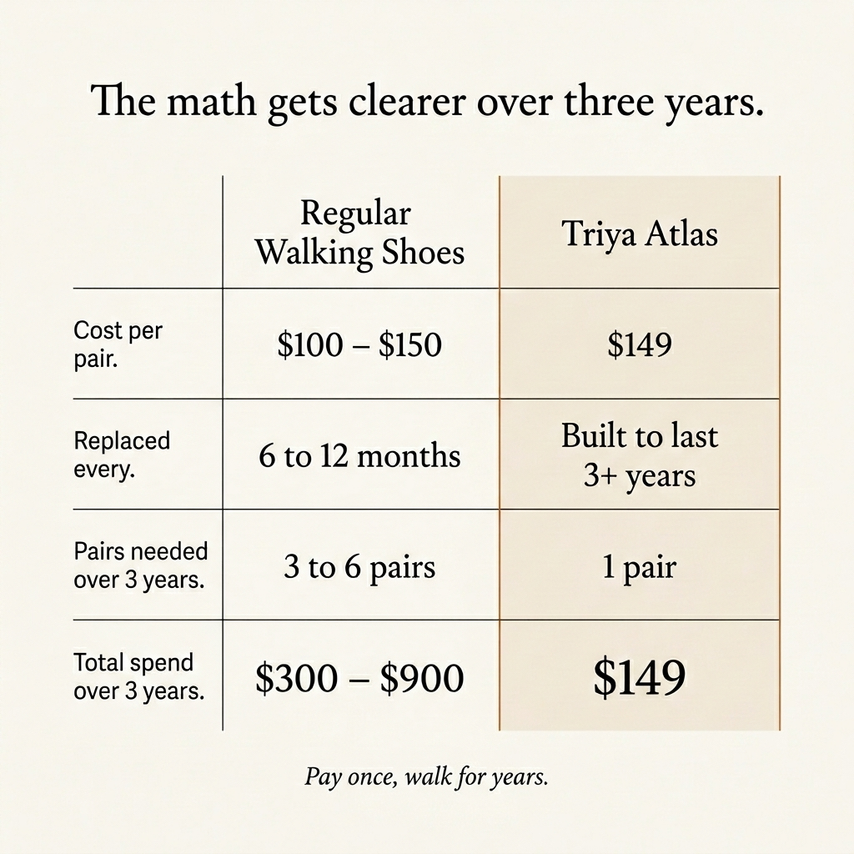
EVA foam, used in most regular shoes, can lose up to 30% of its thickness over time. Atlas loses around 4%. The lattice doesn't compress the way foam does, which is why one pair of Atlas outlasts three to six pairs of regular walking shoes.
Be First in Line for Triya Atlas.
We're launching soon on Kickstarter. Sign up now to lock in the lowest price the Triya Atlas will ever be.
FAQ
Have a question about a product? You can find answers to the most frequently asked questions here